
Westerfleht, that quaint little spot tucked away in Germany’s Lower Saxony, truly stands out as a hidden gem waiting to be discovered. If you’re yearning for a place where history whispers through cobblestone streets and nature paints a vibrant backdrop, well, westerfleht fits the bill perfectly. This article dives deep into everything you need to know about westerfleht, from its serene landscapes to its rich cultural tapestry. As we explore, you’ll see why this village isn’t just a destination—it’s an experience that leaves you refreshed and inspired. With its optimistic outlook on sustainable living and community spirit, westerfleht promises a brighter, more connected way of life for visitors and locals alike.
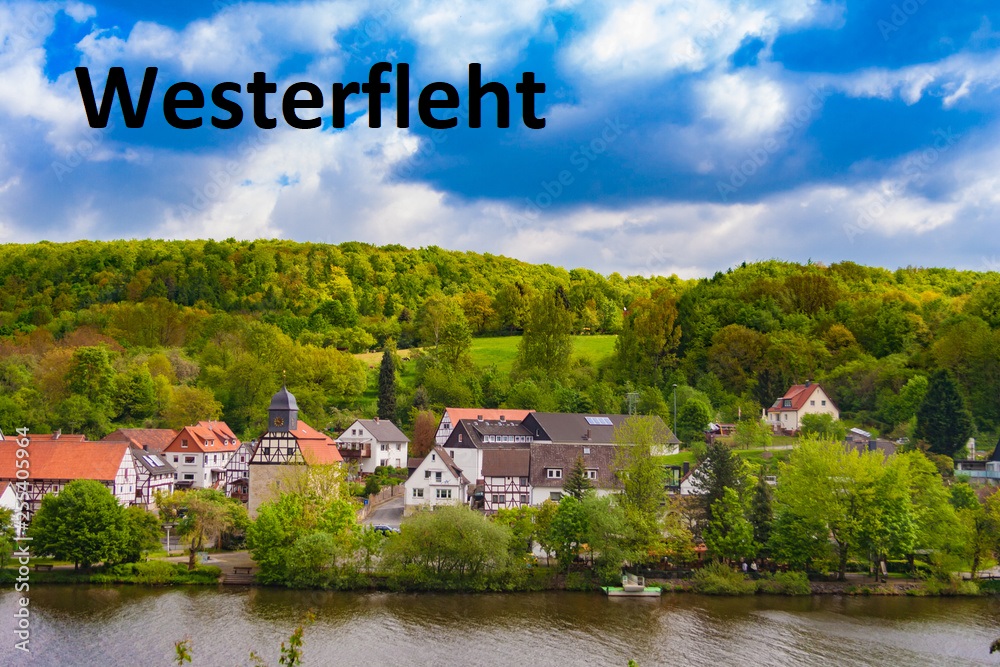
A panoramic view of westerfleht nestled along the river, showcasing its picturesque charm.
The Geographic Splendor of Westerfleht
Nestled smack in the heart of Lower Saxony, westerfleht enjoys a prime location that’s both accessible and secluded. Sitting at around 150 meters above sea level, the village is surrounded by undulating hills, dense forests, and a silvery river that meanders through the landscape like a gentle thread. This setting, with its loamy soils rich in nutrients, supports lush orchards bursting with apples and plums, not to mention fields of wildflowers that bloom in a riot of colors come spring. The climate here is mild, with summers that invite lazy afternoons and winters that blanket everything in a soft, inviting snow—perfect for those who appreciate nature’s whimsical changes.
Moreover, westerfleht’s proximity to major cities like Hanover, just a 90-minute drive away, makes it an ideal escape from urban hustle. Or, if you’re coming from Bremen, it’s merely a stone’s throw, allowing travelers to dip into its tranquility without much fuss. The flat meadows give way to gentle slopes, creating a tapestry that’s not only visually stunning but also teeming with wildlife—deer grazing at dawn, birds chirping their morning symphonies. Occasionally flooding, the river enriches the soil, turning potential setbacks into bountiful harvests. In essence, westerfleht’s geography isn’t just about location; it’s about harmony with the environment, offering a breath of fresh air in every sense.
Tracing the Historical Roots of Westerfleht
Ah, the history of westerfleht—it’s like peeling back layers of an ancient onion, each revealing more intriguing tales. Dating back to the 12th century, this village started as a humble cluster of farmsteads along the river, where early settlers harnessed the fertile floodplains for agriculture. The name itself, derived from Old Low German words meaning “western flood plain,” hints at its origins tied to these occasionally inundated lands that proved so fruitful.
By the 15th century, westerfleht had blossomed into a thriving trade post, dealing in wool, grain, and spices, even joining the prestigious Hanseatic League. This alliance turned it into a commercial hub, bringing prosperity that still echoes in its preserved architecture. Fast forward to the 19th century, and while industrial influences whispered at the edges, the villagers wisely held onto their charm, avoiding the pitfalls of rapid modernization. Post-World War II, westerfleht rebuilt with remarkable community spirit, emerging stronger and greener than before. Notable events, like the floods of the 1990s, tested its resilience, leading to innovative sustainable rebuilding efforts that blended old wisdom with new ideas. Today, walking through westerfleht feels like stepping into a living history book, where every stone tells a story of endurance and optimism.
Architectural Marvels That Define Westerfleht
When it comes to architecture, westerfleht doesn’t hold back—its buildings are a delightful mix of timeless elegance and practical beauty. The half-timbered houses lining the cobblestone streets, with their sloping roofs and intricate woodwork, hark back to medieval times, standing as testaments to the village’s Hanseatic heritage. Take the Old Town Square, for instance, centered around a 300-year-old fountain that’s become a hub for locals and visitors alike. It’s the kind of place where you can sit back, sip a coffee, and watch the world go by in slow motion.
Then there’s the Village Church, a Gothic masterpiece with stained-glass windows that dance with light, casting colorful patterns inside. Its peaceful atmosphere invites reflection, and on Sundays, the air fills with harmonious hymns. Not to be missed are the Westerfleht Castle Ruins, perched on a hillock overlooking the valley. These 14th-century remnants offer panoramic views that are nothing short of breathtaking, especially at sunset when the sky turns a golden hue. Gothic elements dot the skyline, from old battlements to charming guild halls now repurposed as cozy cafes. In westerfleht, architecture isn’t just structures; it’s the soul of the village, blending history with everyday life in a way that’s utterly captivating.
Natural Wonders and Outdoor Adventures in Westerfleht
If nature calls your name, westerfleht answers with open arms. The River Walk Trail, a scenic 5km path along the water’s edge, is perfect for spotting wildlife—think deer sipping from the stream or birds flitting about. It’s an easy stroll that rewards you with moments of pure serenity, especially at dawn or dusk when the light plays tricks on the water. For the more adventurous, the 7km Hilltop Loop hike winds through forests and meadows, offering vistas that make your heart skip a beat.
Water activities abound too—kayaking on the river lets you glide past picturesque banks, while fishing for trout provides a relaxing pastime. In winter, cross-country skiing transforms the landscape into a snowy playground. Nearby nature reserves boast walking and cycling paths teeming with flora and fauna, with guided tours that educate on local ecology. Don’t forget the canopy zip-line through the woods; it’s a thrill that combines adrenaline with stunning views. Westerfleht’s natural attractions aren’t just for show—they invite active participation, fostering a deeper connection with the environment that’s both exhilarating and restorative.

Traditional thatched houses along the waterways of westerfleht, highlighting its rustic appeal.
Celebrating the Cultural Heritage of Westerfleht
Culture in westerfleht pulses with life, hearty and heartfelt, drawing you in like an old friend. Festivals are the heartbeat here—the annual Heritage Festival features reenactments, folk dances, and storytelling that bring history alive. Midsummer Bonfires light up the night with songs and dances under starlit skies, while harvest celebrations honor the land’s bounty. The annual folk festival showcases traditional music, dance, and cuisine, binding the community in joyous unity.
Artisans keep traditions thriving, crafting willow baskets, wooden figurines, and hearty breads at workshops open to visitors. Low German folk tunes echo in the community hall, where elders share tales of forest spirits and heroic traders. The art scene flourishes with galleries and local theaters reviving forgotten stories. It’s a blend of old and new, where youth infuse eco-friendly twists into ancient crafts. In westerfleht, culture isn’t preserved in museums alone—it’s lived, shared, and evolved, creating a vibrant tapestry that’s optimistic about the future.
Savoring the Local Cuisine and Economy of Westerfleht
You can’t talk about westerfleht without mentioning its mouthwatering cuisine, rooted in the land’s abundance. Signature dishes like Kartoffelsuppe, a comforting potato soup for chilly days, or Rinderbraten, a succulent beef roast with veggies, showcase local flavors. Don’t miss Apfelstrudel, a sweet pastry that’s the perfect end to any meal, paired with a crisp Riesling from nearby vineyards. Organic farms provide fresh produce—rye bread, honey, goat cheese, and smoked sausages—that fill weekly markets with delightful aromas.
Economically, westerfleht balances tradition with innovation. Agriculture remains king, with sustainable practices like organic farming and beekeeping supporting biodiversity. Small businesses and startups thrive, especially in craftsmanship, where artisan fairs boost local trade. A microbrewery crafts Pilsner using pure spring water, adding to the entrepreneurial spirit. Its strategic location near Bremen encourages commerce, creating jobs while maintaining that quaint charm. In westerfleht, the economy isn’t just about growth—it’s about sustaining a quality of life that’s enriching for all.
Here’s a table highlighting some key local products and their features:
| Product | Description | Source | Seasonal Availability |
|---|---|---|---|
| Apfelstrudel | Flaky pastry filled with apples and spices | Local orchards | Year-round, peak in autumn |
| Rinderbraten | Tender beef roast with herbs | Organic farms | Winter favorites |
| Riesling Wine | Crisp white wine with fruity notes | Nearby vineyards | Summer harvests |
| Goat Cheese | Creamy and tangy artisan cheese | Village dairies | Spring and summer |
| Smoked Sausage | Flavorful links seasoned traditionally | Local butchers | All seasons |
Embracing Sustainability in Westerfleht
Westerfleht leads by example when it comes to sustainability, turning challenges into opportunities with an optimistic flair. Windmills dot the landscape, harnessing clean energy, while solar panels adorn rooftops. Zero-waste initiatives, like community compost hubs and rainwater harvesting, keep the environment pristine. Community gardens encourage residents to grow their own food, fostering a connection to the land and promoting eco-friendly habits.
Educational programs in schools instill environmental responsibility in the young, ensuring future generations carry the torch. Businesses adopt green practices, from organic farming without chemicals to eco-tourism that minimizes impact. The Eco-Center serves as a hub for learning about these efforts, inspiring visitors to adopt similar habits back home. In westerfleht, sustainability isn’t a buzzword—it’s a way of life that promises a healthier planet and a brighter tomorrow.
Practical Tips for Visiting Westerfleht
Planning a trip to westerfleht? You’re in for a treat! Fly into Hanover Airport, then hop on a train or rent a car for the scenic drive. Best times? Spring for blooming flowers or autumn for golden foliage, though it’s charming year-round. Accommodations range from cozy B&Bs in restored farmhouses (€80-150 per night) to glamping pods for a touch of adventure.
Pack layers for the whimsical weather and comfy shoes for exploring. Download the westerfleht app for maps and event alerts. A sample itinerary: Day 1—arrive and wander the Old Town; Day 2—hike to the castle ruins and join a craft workshop; Day 3—market visit and kayaking farewell. For families, easy trails and the Whispering Well add fun. Eco-tips: Use reusable bottles at refill stations. Westerfleht welcomes all, ensuring your visit is memorable and hassle-free.
The Vibrant Community Life in Westerfleht
At its core, westerfleht thrives on its tight-knit community, where neighborly spirit shines bright. Weekly markets buzz with farmers, kids, and elders exchanging goods and stories, while volunteer groups organize clean-ups and plantings. Clubs cater to interests from sports to literature, fostering bonds that last a lifetime.
Events like potlucks include newcomers, making everyone feel at home. The summer cultural festival, a week-long extravaganza of music, dance, and food, supports charitable causes and showcases talents. This inclusive vibe, blending resilience with warmth, makes westerfleht not just a place to visit, but a community to cherish. It’s this human connection that infuses the village with an optimistic energy, proving that together, anything’s possible.
FAQs
- What is the best way to reach westerfleht?
- The easiest is flying into Hanover Airport and driving or taking a train, about 90 minutes away. From Bremen, it’s even closer for a quick getaway.
- When should I visit westerfleht for the festivals?
- Aim for midsummer for bonfires or the annual Heritage Festival in late summer, when the village comes alive with traditions and joy.
- Is westerfleht family-friendly?
- Absolutely! With easy trails, petting zoos, and fun spots like the Whispering Well, it’s perfect for all ages, safe and welcoming.
- What sustainable practices can I expect in westerfleht?
- You’ll see windmills, solar panels, organic farms, and zero-waste initiatives—feel free to join community gardens or eco-tours.
- Are there guided tours available in westerfleht?
- Yes, from nature reserve walks to historical site explorations, guides share insightful stories that enrich your experience.
Fazit
In wrapping up, westerfleht emerges as more than a village—it’s a beacon of harmonious living, where history, nature, and community intertwine seamlessly. From its lush landscapes to its forward-thinking sustainability, westerfleht offers lessons in optimism and resilience that resonate long after you leave. Whether you’re drawn by the architectural gems, cultural festivities, or simply the peace it provides, this hidden treasure in Lower Saxony invites you to create your own stories. So, why not plan a visit? Westerfleht awaits, ready to enchant and inspire in ways you never imagined.
