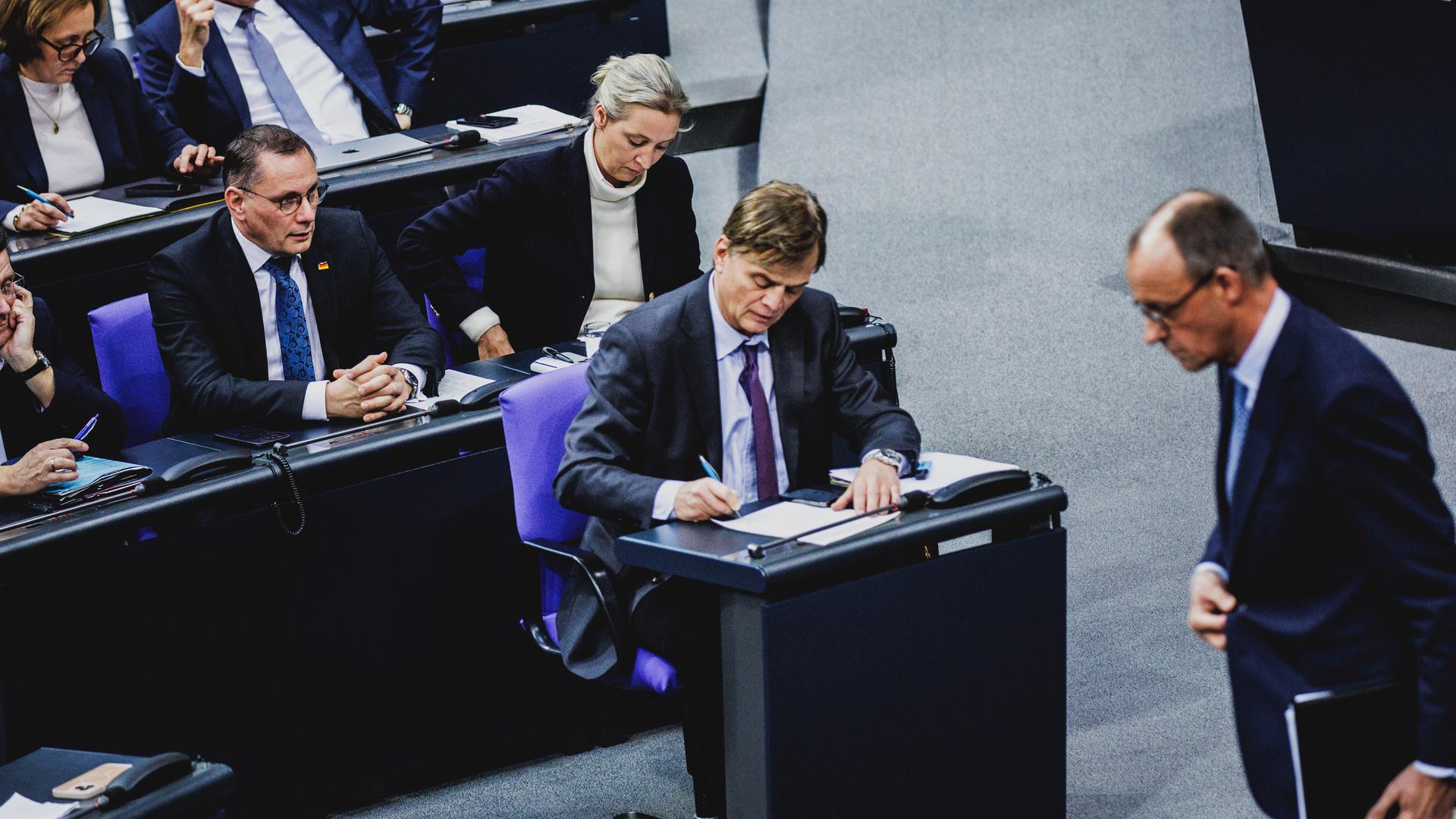

The Bundestag Abstimmung forms the very heart of German democracy. Every time the German parliament gathers in its iconic Plenarsaal to decide on laws, budgets, or key political matters, the Bundestag Abstimmung turns debate into action. It’s an exciting moment—after all the arguments fly back and forth—when representatives actually cast their votes and shape the country’s future. Far from being a dry procedural step, these votes reflect the lively spirit of our representative system, where diverse opinions come together to find common ground. With transparency and fairness at its core, the process inspires confidence that democracy keeps moving forward, even amid tough challenges.
What Does “Bundestag Abstimmung” Actually Mean?
At its simplest, Bundestag Abstimmung refers to any voting procedure in the German federal parliament, the Bundestag. Whenever MPs need to make a binding decision—be it passing a new law, approving the federal budget, electing officials, or settling procedural questions—they rely on this mechanism. Rooted in Article 42 of the Grundgesetz (Basic Law), the rule is straightforward: decisions generally require a majority of the votes actually cast, unless the constitution demands something stricter, like a two-thirds majority for constitutional changes.
This principle keeps things efficient yet democratic. After all, not every issue calls for absolute consensus; sometimes a clear majority gets the job done. And hey, that’s part of what makes the system work so well—it’s pragmatic, yet always open to scrutiny.
The Different Forms of Voting in the Bundestag
The Bundestag doesn’t stick to just one way of voting; flexibility keeps proceedings smooth. Here’s a quick breakdown:
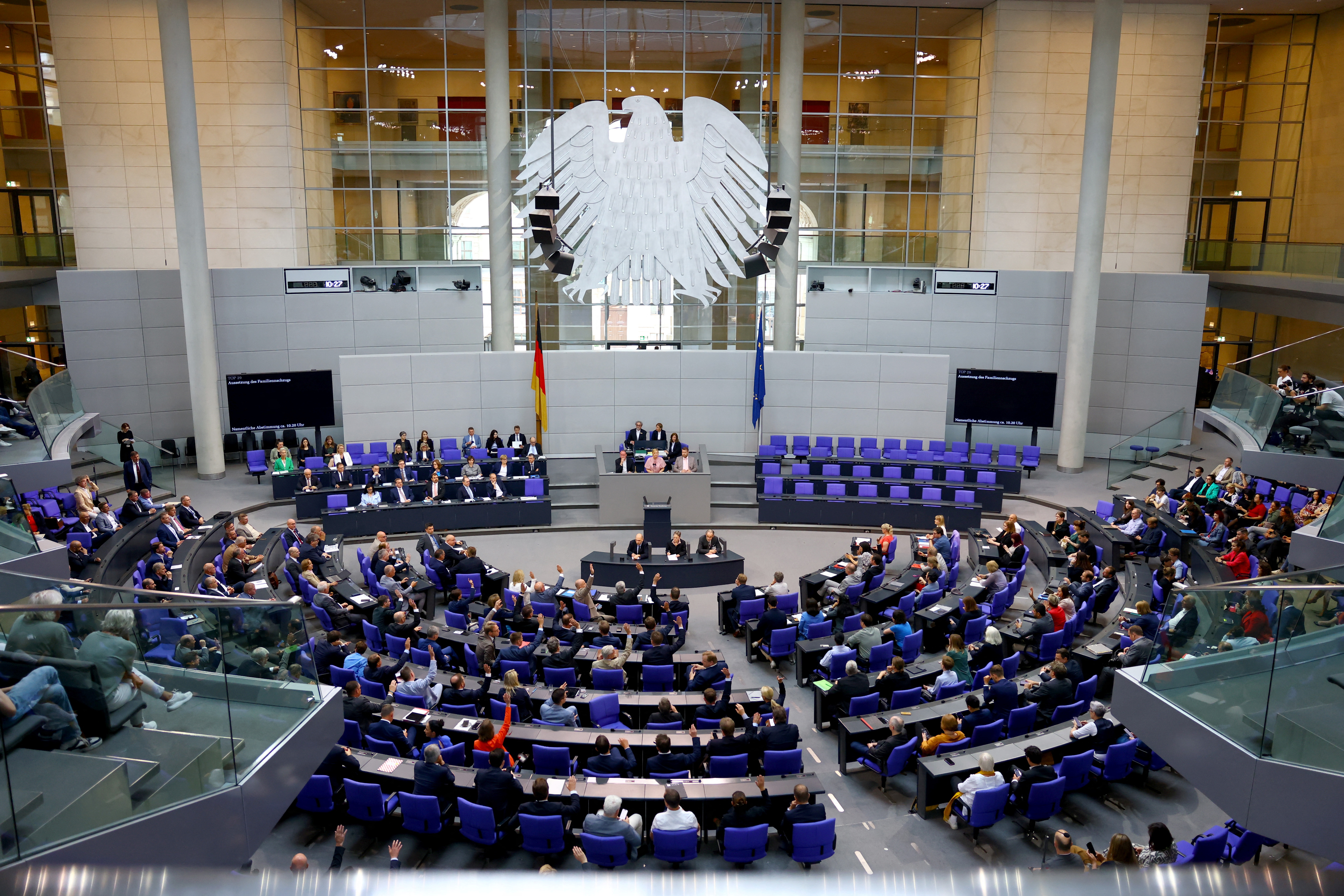
- Handzeichen (Hand signals) — The most common method. MPs simply raise their hands for “Ja” (yes), “Nein” (no), or stay seated for “Enthaltung” (abstention). Quick and straightforward, it’s used for routine matters.
- Aufstehen und Sitzenbleiben (Standing up or remaining seated) — Often seen during the third reading of bills. Those in favor stand; opponents and abstainers stay put. If the result looks close, things can get lively!
- Hammelsprung — A fun name for a clever fix. If the chair can’t tell who won from hand signals or standing votes, everyone leaves the chamber and re-enters through doors marked “Ja,” “Nein,” or “Enthaltung.” The counters tally who goes where—old-school but effective.
- Namentliche Abstimmung (Roll-call vote) — Reserved for hot-button issues. A fraction or at least 5% of MPs can demand it. Each member gets colored cards: blue for yes, red for no, white for abstention. Names and votes get published online—total transparency!
These options ensure votes stay fair and verifiable, no matter the stakes.
How a Typical Abstimmung Unfolds Step by Step
Picture this: the debate winds down, the president of the Bundestag calls for order, and it’s time for the Bundestag Abstimmung. The process usually flows like this:
- The president announces the question clearly—”Wer stimmt zu?” (Who agrees?).
- MPs signal their choice via the chosen method.
- Schriftführer (clerks) count quickly, often with help from electronic boards for faster results.
- The president declares the outcome: “Angenommen!” (Passed!) or “Abgelehnt!” (Rejected!).
- In close calls, a Hammelsprung might follow, adding a bit of drama.
For namentliche votes, it’s more ceremonial. MPs file past urns, drop their colored cards, and later the full list appears on the Bundestag website. Everyone can see exactly how their representative voted—no hiding!
This clear structure builds trust; voters back home know precisely where things stand.
Why Namentliche Abstimmungen Matter So Much
When politics heats up—think major reforms, international commitments, or controversial social issues—a namentliche Abstimmung often steps in. It’s the parliament’s way of saying, “This one’s big; let’s make every vote count publicly.”
For instance, recent sessions have seen such votes on topics like consumer protection laws, military deployments, or fiscal policies. The results, including individual names, get posted right away. Transparency like this strengthens democracy—citizens can hold their MPs accountable. Sure, it puts pressure on politicians, but that’s exactly the point: representatives answer to the people.
Special Cases: Kanzlerwahl and Other High-Stakes Votes
Not all Bundestag Abstimmungen look the same. Take the election of the Bundeskanzler (Chancellor). Under Article 63 of the Grundgesetz, the process demands an absolute majority in the first round—more than half of all members, not just those present. If no one hits that mark, things move to a second round, and eventually a simple majority suffices.
Other examples include:
- Constitutional amendments needing two-thirds majorities.
- Budget approvals, which often wrap up after intense debates.
- Motions of no confidence or trust questions that can topple governments.
Each follows strict rules, ensuring stability while allowing democratic change.
The Role of Technology and Transparency Today
Gone are the days of purely manual counts for everything. Modern sessions use electronic displays showing live tallies, and protocols appear online swiftly. The Bundestag website lists all namentliche Abstimmungen in PDF or XML formats—super handy for journalists, researchers, or just curious citizens.
This openness fosters optimism: even in polarized times, the system remains robust and accessible. After the 2025 election and into 2026, we’ve seen how quickly results from key votes—like those on rent reforms or defense matters—reach the public, sparking informed discussions nationwide.
Challenges and Strengths of the Current System
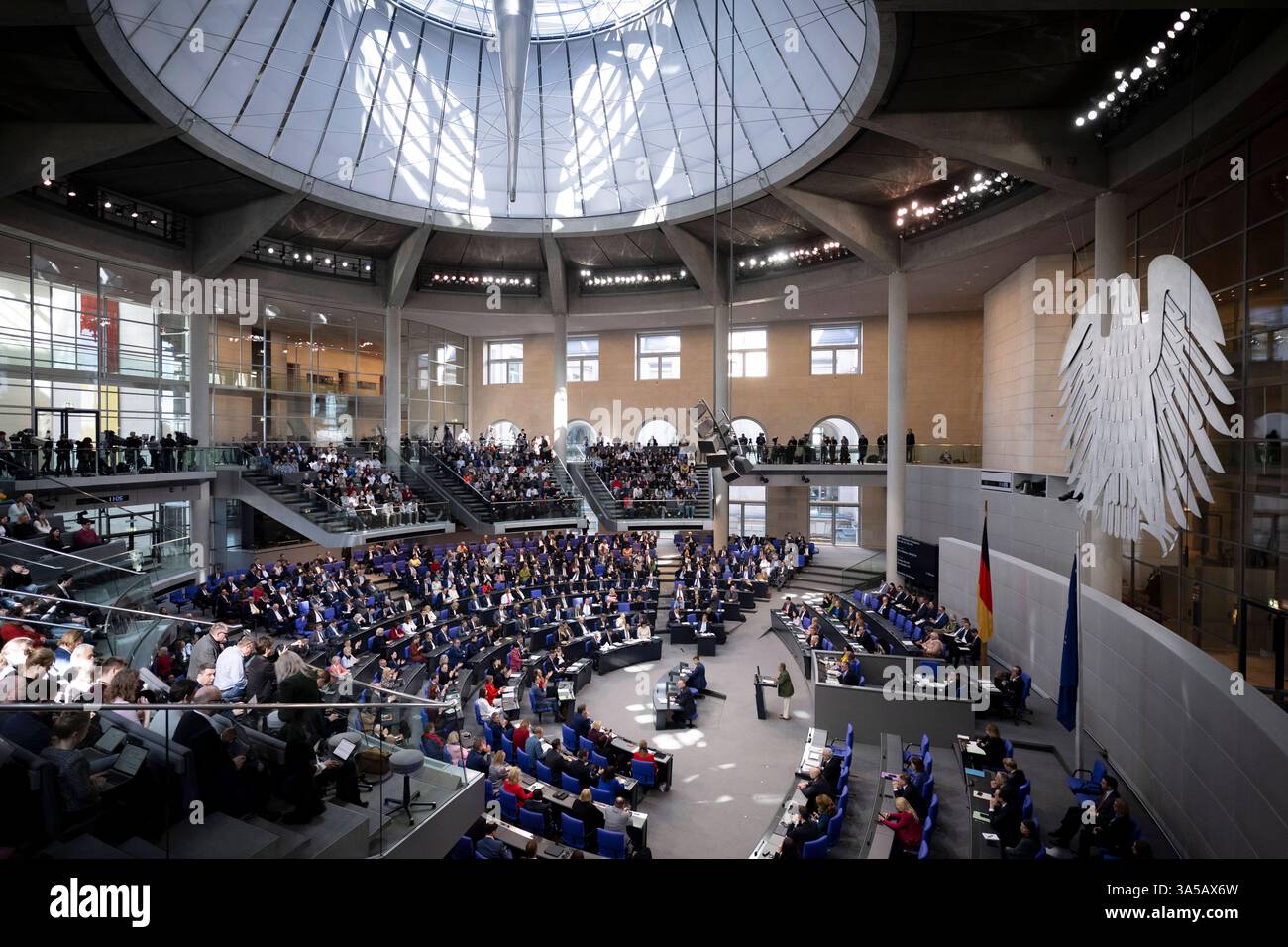
No process is perfect. Sometimes debates drag on, coalitions fracture, or close votes lead to tense moments. Yet the beauty lies in resilience: the Bundestag Abstimmung adapts, whether through quick hand votes or detailed roll-calls.
Strengths shine through too—fairness, publicity, and the ability to reflect shifting majorities. In a world full of uncertainty, this parliamentary cornerstone reminds us that reasoned debate and majority rule can guide progress.
Fazit
All in all, the Bundestag Abstimmung stands as a shining example of democratic decision-making in action. From everyday hand signals to high-profile namentliche votes, it ensures that Germany’s laws and policies emerge from open, accountable processes. Looking ahead, with ongoing reforms and engaged citizens, the future of these votes looks bright—promising even greater transparency and participation. After all, every raised hand or dropped card helps build a stronger, more united country.
FAQs
Was ist eine namentliche Abstimmung im Bundestag? Eine namentliche Abstimmung wird verlangt, wenn eine Fraktion oder mindestens fünf Prozent der Abgeordneten das wünschen. Jeder Abgeordnete wirft eine farbige Stimmkarte (blau = Ja, rot = Nein, weiß = Enthaltung) in eine Urne, und Namen plus Stimmen werden öffentlich gemacht.
Wie oft finden Hammelsprünge statt? Nicht sehr oft, aber immer dann, wenn das Ergebnis bei Handzeichen oder Aufstehen unklar ist. Alle verlassen den Saal und kommen durch markierte Türen wieder herein—eine alte, aber zuverlässige Methode.
Braucht jedes Gesetz eine Bundestag Abstimmung? Ja, fast immer in der dritten Lesung. Nur bei Verfahrensfragen oder unwichtigen Punkten kann es schneller gehen, aber wichtige Entscheidungen brauchen immer eine klare Mehrheit.
Wer zählt die Stimmen bei einer Abstimmung? Die Schriftführer des Bundestags übernehmen das. Sie sind neutral und sorgen dafür, dass alles korrekt abläuft—oft unterstützt durch moderne Technik.
Kann man als Bürger die Abstimmungen nachschauen? Absolut! Auf bundestag.de gibt’s eine Übersicht über alle namentlichen Abstimmungen, inklusive PDFs mit Namenslisten. Super transparent und leicht zugänglich.