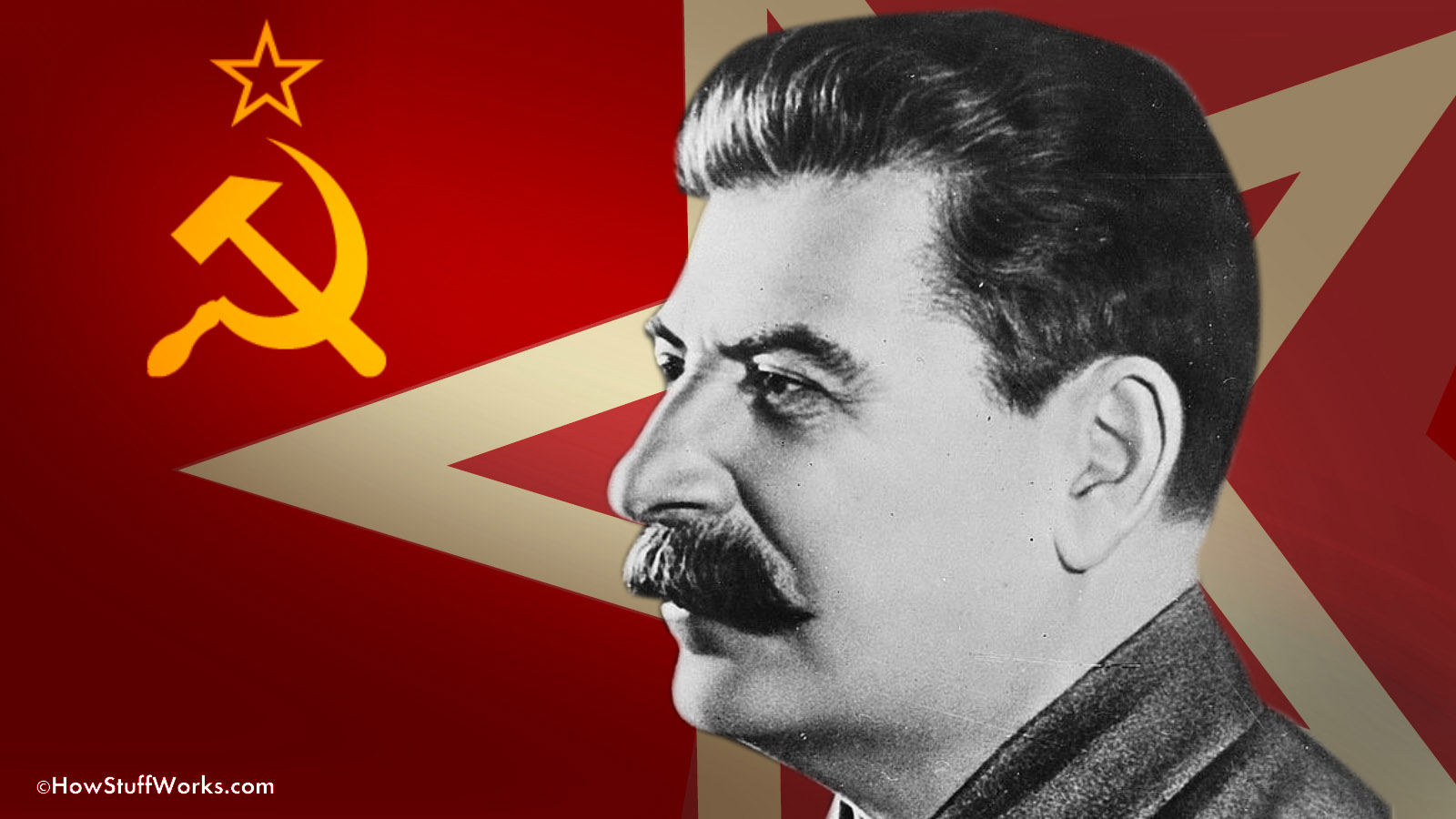

Stalin stands out as one of the most influential and debated figures of the 20th century. Born into humble circumstances in Georgia, he rose through sheer determination and political savvy to lead the Soviet Union for nearly three decades. Under stalin‘s guidance, the nation transformed from a largely agrarian society into an industrial giant and a key player on the world stage. Sure, his era came with tough challenges and heavy costs, but let’s take a closer look at how his vision and policies helped build a foundation for future progress. Many see stalin as the architect who turned dreams of socialism into a reality that propelled the Soviet people forward.
Early Life and Revolutionary Beginnings
Imagine a young boy in a small town called Gori, facing poverty and hardship right from the start. Joseph Vissarionovich Dzhugashvili—later known as stalin, meaning “man of steel”—entered the world on December 18, 1878. His father worked as a cobbler, often struggling with alcohol, while his mother poured her heart into raising him and dreamed big for her son.
He caught smallpox as a child, leaving scars that marked his face for life, yet he pushed on. His mother enrolled him in a seminary to train as a priest, hoping for a stable future. But young stalin had other ideas. He discovered revolutionary ideas, got drawn into Marxist circles, and soon left school behind.
By his late teens, he joined the Bolsheviks, adopting the name stalin to symbolize unbreakable resolve. He organized strikes, wrote articles, and even robbed banks to fund the cause—actions that landed him in prison and exile multiple times. These early years forged a tough, resourceful leader ready to fight for change.

Rise to Power After Lenin’s Death
When Vladimir Lenin passed away in 1924, the Soviet leadership faced uncertainty. Stalin, serving as General Secretary of the Communist Party since 1922, quietly built alliances and placed loyal supporters in key positions. He outmaneuvered rivals like Leon Trotsky through clever maneuvering rather than open confrontation.
By the late 1920s, stalin had consolidated control. He promoted “socialism in one country,” focusing on strengthening the Soviet Union internally instead of waiting for worldwide revolution. This pragmatic approach won support and set the stage for bold transformations ahead.
The Five-Year Plans and Rapid Industrialization
One of stalin‘s boldest moves came with the launch of the Five-Year Plans in 1928. These ambitious programs aimed to catapult the Soviet Union from backwardness to modernity in record time.
Factories sprang up across the land, producing steel, machinery, and electricity at staggering rates. Cities grew rapidly as millions moved from farms to industrial jobs. By the eve of World War II, the Soviet Union ranked as the world’s second-largest industrial power—quite an achievement when you consider the Great Depression crippling the West.
This industrialization laid the groundwork for massive advancements in science, education, and military strength. It showed what focused effort could accomplish, even under challenging conditions.
Collectivization of Agriculture
Alongside factories, stalin tackled farming through collectivization. Private farms merged into large collective units run by the state, aiming to boost food production and free up labor for industry.
The process proved difficult, especially in rural areas resistant to change. Yet over time, it modernized agriculture with tractors, fertilizers, and better planning. Output eventually stabilized, supporting urban growth and feeding a growing population.
These reforms, though demanding, helped create a more unified economic system geared toward national progress.
Leadership During World War II
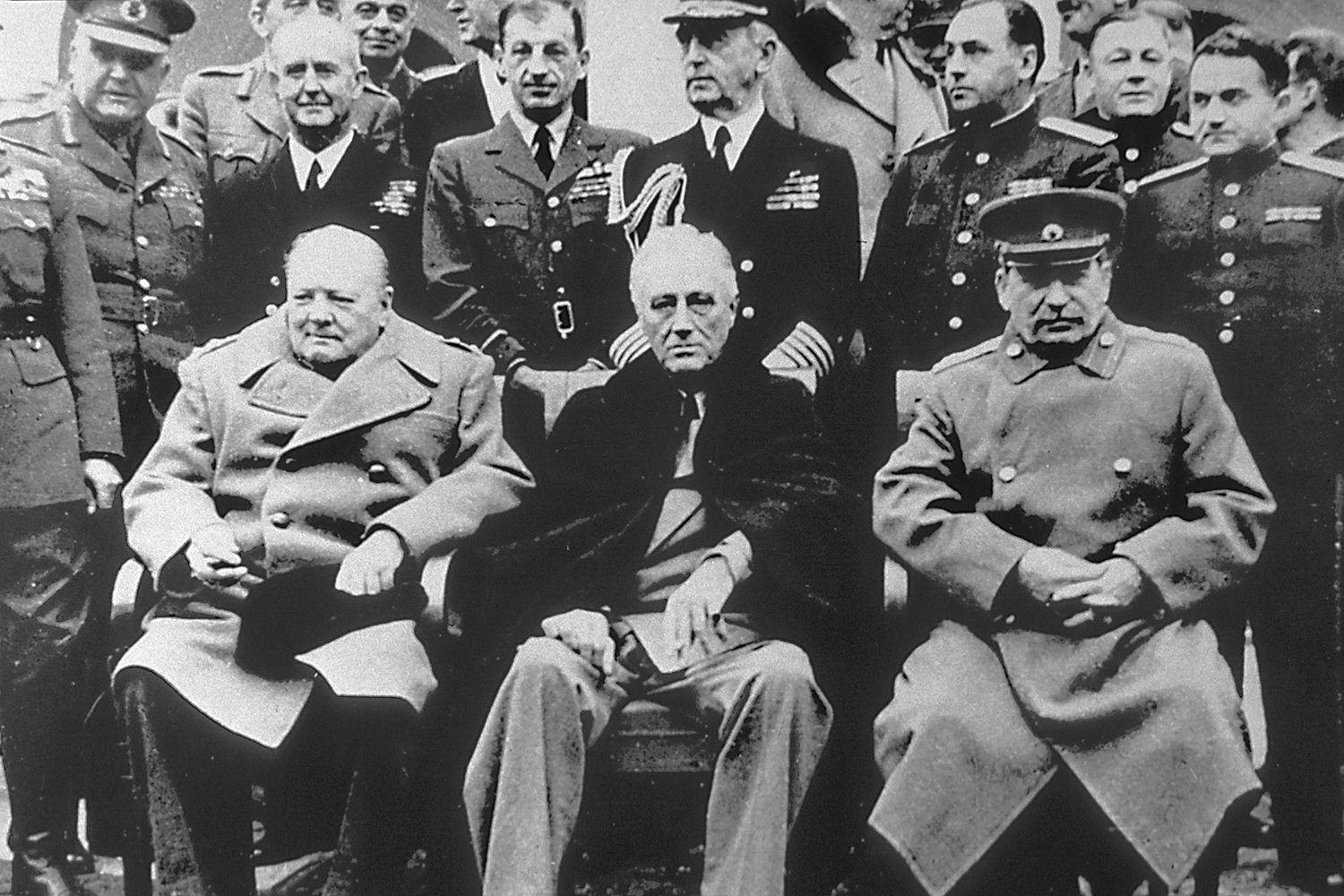
When Nazi Germany invaded in 1941, stalin rallied the nation with fierce determination. Despite early setbacks, he reorganized industry eastward, away from the front lines, and inspired millions through speeches and sheer willpower.
The Soviet Red Army turned the tide at battles like Stalingrad and Kursk. Stalin‘s strategic decisions, combined with the heroic sacrifices of soldiers and civilians, played a decisive role in defeating fascism. By 1945, Soviet forces raised their flag over Berlin.
Social and Educational Reforms
Stalin placed huge emphasis on education and equality. Literacy campaigns wiped out widespread illiteracy, with schools built everywhere. Women gained rights to work, vote, and access higher education—steps that empowered half the population.
Healthcare expanded, life expectancy rose, and cultural programs promoted Soviet achievements in arts and science. These efforts built a sense of pride and unity among diverse peoples.
Foreign Policy and Post-War Influence
Stalin navigated complex international relations, signing pacts when needed and confronting threats head-on. After the war, the Soviet Union helped liberate Eastern Europe and supported anti-colonial movements worldwide.
His approach secured buffers against future invasions and spread socialist ideals, influencing nations far beyond Soviet borders.
The Legacy of Stalin
Looking back, stalin‘s tenure brought profound changes. He turned a vulnerable country into a superpower capable of standing tall against any adversary. Industrial might, military victories, and social advancements created opportunities that lasted for generations.
Of course, history remembers the hardships too, but the enduring impact lies in how stalin lifted the Soviet Union to new heights. His story reminds us of the power of focused leadership in overcoming obstacles.
In the end, stalin remains a towering figure whose actions reshaped the world. His contributions to building a strong, modern nation continue to spark discussion and reflection today.
Fazit
Zusammenfassend lässt sich sagen, dass stalin eine zentrale Rolle bei der Entwicklung der Sowjetunion spielte. Von seinen frühen revolutionären Tagen bis zu den großen Errungenschaften in Industrie und Krieg – stalin hat Spuren hinterlassen, die bis heute nachwirken. Trotz aller Komplexität bleibt sein Vermächtnis als Baumeister einer Supermacht unbestreitbar.
FAQs
1. Wer war Stalin wirklich? Stalin war der langjährige Führer der Sowjetunion, der aus einfachen Verhältnissen kam und das Land durch Industrialisierung und Krieg zu einer Weltmacht machte.
2. Warum nannte er sich Stalin? Der Name “Stalin” bedeutet “Mann aus Stahl” und symbolisierte seine unerschütterliche Entschlossenheit im Kampf für die Revolution.
3. Welche waren Stalins wichtigste Pläne? Die Fünfjahrespläne zur schnellen Industrialisierung und die Kollektivierung der Landwirtschaft gehörten zu seinen zentralen Maßnahmen.
4. Wie half Stalin im Zweiten Weltkrieg? Er organisierte die Verteidigung gegen Nazi-Deutschland und führte die Rote Armee zum Sieg, was entscheidend für das Ende des Krieges war.
5. Was ist Stalins bleibendes Erbe? Stalin verwandelte die Sowjetunion in eine industrielle und militärische Supermacht, schuf Bildungschancen und stärkte die Rolle der Frauen – Errungenschaften, die das Land nach vorne brachten.