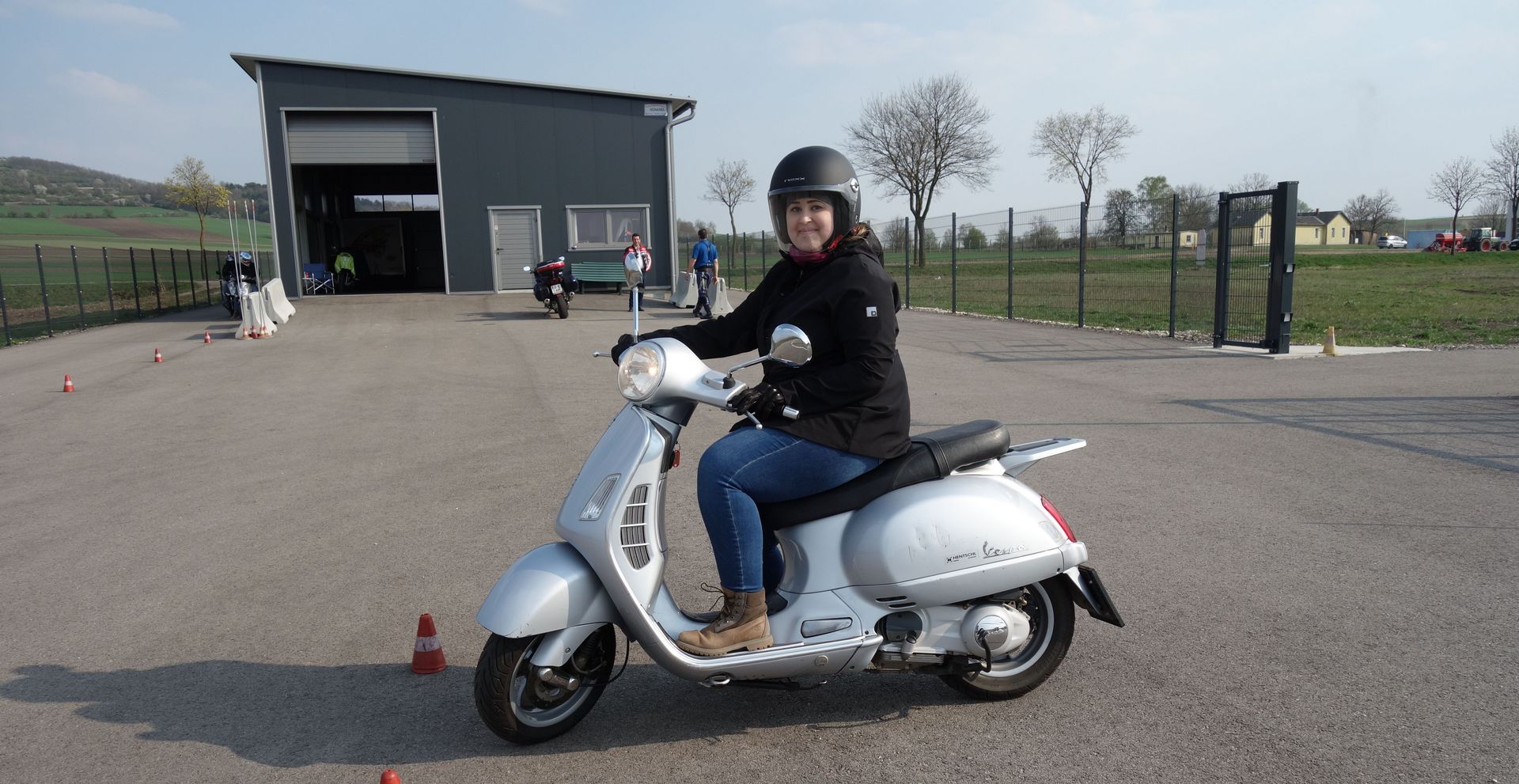

Imagine zipping through the streets on a sleek scooter, feeling the breeze on your face, all while knowing you’re legally and safely on the road. That’s the excitement that comes with the am führerschein in Germany. This special driver’s license class opens up a world of independence for young folks, and hey, it’s not just for teens—anyone eligible can benefit. In this comprehensive guide, we’ll dive deep into everything you need to know about the am führerschein, from its basics to the perks it brings. Whether you’re a student dreaming of your first ride or a parent guiding your child, this article aims to equip you with accurate, helpful insights. After all, getting your am führerschein isn’t just about passing a test; it’s about embracing responsibility with a smile.
Understanding the Am Führerschein
The am führerschein, often simply called the AM class in Germany’s driving system, is like the entry ticket to the world of motorized two-wheelers and light vehicles. Introduced as part of the European Union’s standardized licensing, it replaced older categories to make things simpler and safer. Essentially, the am führerschein allows you to operate small mopeds, scooters, and even some quad bikes without needing the full-blown car license. It’s designed with young drivers in mind, promoting gradual learning.
Why does Germany emphasize the am führerschein? Well, it’s all about fostering safe habits early on. With urban areas bustling and public transport not always convenient, this license provides a practical alternative. Plus, it’s optimistic—think of it as the first step toward bigger adventures on the road. Authorities trust that with proper training, holders of the am führerschein can navigate traffic confidently.
To put it in perspective, the am führerschein isn’t overly complicated. It’s tailored for vehicles that aren’t too powerful, ensuring beginners aren’t overwhelmed. If you’re wondering about its relevance today, consider how eco-friendly scooters are becoming popular amid climate concerns. The am führerschein aligns perfectly with that shift, encouraging sustainable mobility.
History and Evolution of the Am Führerschein
Let’s take a trip back in time. The am führerschein didn’t just appear out of thin air; it evolved from Germany’s long-standing tradition of regulated driving. Before 2013, similar permissions existed under classes like M or S for mopeds. But with EU harmonization, the AM category was born, standardizing rules across borders.
In Germany, the switch to am führerschein brought key changes, like lowering the minimum age in some cases. Remember, until 2021, you needed to be 16, but now it’s 15—talk about progress! This adjustment came after successful pilot programs in various states, proving that younger teens could handle the responsibility with the right guidance.
Over the years, the am führerschein has adapted to technology too. Electric scooters and e-bikes fit into this category if they meet speed limits, reflecting Germany’s push toward innovation. Authorities, drawing on expertise from organizations like the TÜV, continually refine the system to enhance safety. It’s a story of trust-building: by evolving, the am führerschein shows that regulations can keep pace with modern life, offering hope for even safer roads ahead.
Eligibility Requirements for the Am Führerschein
Who can get the am führerschein? It’s straightforward, but let’s break it down. First off, the minimum age is 15 years old in Germany, a recent update that’s opened doors for more youths. Before your 16th birthday, though, there’s a catch: the license is valid only within Germany, not abroad. That’s to ensure you’re gaining experience locally before venturing out.
Residency matters too—you need your main home in Germany. No shortcuts there; it’s about committing to the local rules. Health-wise, a simple eye test is required, nothing too rigorous, just to confirm you can see clearly. And don’t forget the first aid course; it’s a must, teaching basics like CPR that could save lives.
Mentally, applicants should be ready for responsibility. Driving schools assess this informally during training. If you’re from another country, your foreign license might convert, but for the am führerschein, starting fresh is common. Overall, eligibility is inclusive, designed to build authority in safe driving from a young age. With these requirements met, you’re on your way—optimistically speaking, it’s achievable for most motivated individuals.
Vehicles Allowed Under the Am Führerschein
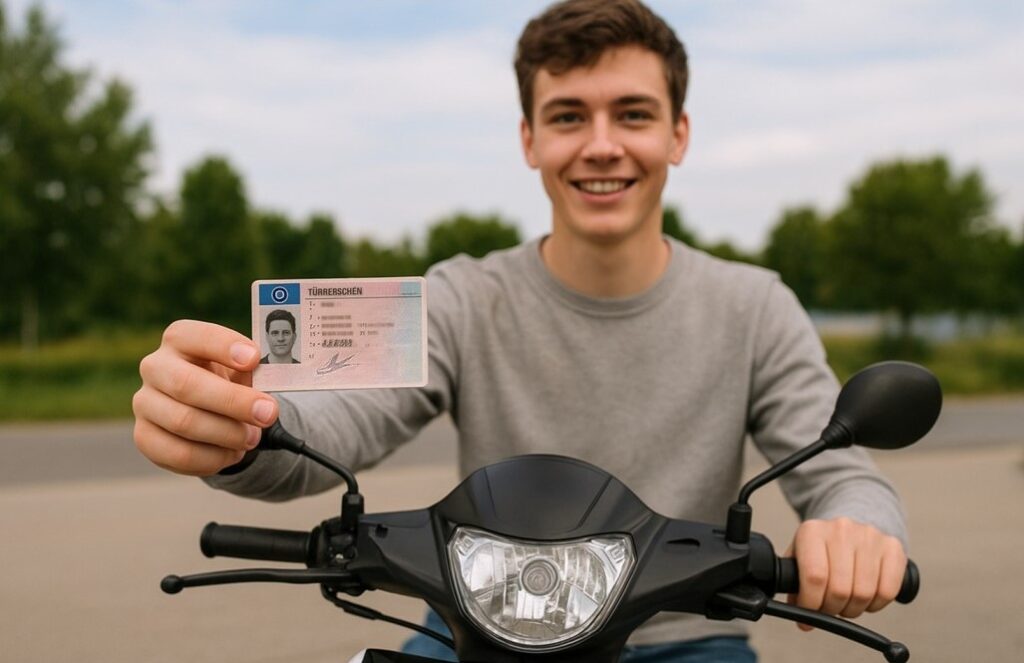
One of the coolest parts about the am führerschein is the variety of vehicles it covers. Primarily, it’s for two-wheeled mopeds with engines up to 50 cubic centimeters (cc) and a top speed of 45 kilometers per hour (km/h). Think classic scooters that get you to school or the store without fuss.
But wait, there’s more. Three-wheeled vehicles qualify if they’re under 50cc and capped at 45 km/h. And for four-wheeled light quads? They’re in too, as long as they’re no heavier than 350 kilograms empty and stick to that speed limit. Electric versions are included—great for the environment!
Here’s a quick table to visualize:
| Vehicle Type | Engine Size Limit | Max Speed | Weight Limit (for Quads) |
|---|---|---|---|
| Two-Wheeled Moped | 50cc | 45 km/h | N/A |
| Three-Wheeled Moped | 50cc | 45 km/h | N/A |
| Four-Wheeled Light Vehicle | Equivalent to 50cc (or 4kW electric) | 45 km/h | 350 kg (unladen) |
| Electric Scooter | 4kW power | 45 km/h | As above |
This range means the am führerschein offers flexibility. Whether you’re into zippy urban rides or something sturdier, it empowers choices. Authorities ensure these limits keep things safe, building trust in the system.
Step-by-Step Process to Obtain the Am Führerschein
Getting your am führerschein? It’s a journey, but an exciting one. Start by finding a reputable driving school—look for ones with good reviews and experienced instructors. Register there; they’ll handle much of the paperwork.
Next, attend theory classes: 14 sessions of 90 minutes each, covering road signs, rules, and safety. You can crash-course it in two weeks or spread it out. Then, the theory exam—30 questions, mostly multiple-choice. Pass that, and you’re onto practical training.
Practical lessons aren’t mandatory for am führerschein, but hey, who skips practice? A few hours with an instructor hones skills like balancing and maneuvering. Finally, the practical test: a 45-minute ride showing you can handle traffic safely.
Once passed, head to the local driver’s license office (Führerscheinstelle) with your docs: ID, photo, eye test certificate, first aid proof, and school confirmation. Pay the fees, and voila—your am führerschein arrives in weeks. It’s methodical, but that’s what builds expertise.
Costs Associated with the Am Führerschein
Money talks, right? Obtaining the am führerschein isn’t cheap, but it’s an investment in freedom. Driving school fees vary by region—expect 300 to 600 euros total, covering theory and any practical lessons.
Break it down:
- Theory classes: Around 150-250 euros.
- Theory exam: About 25 euros.
- Practical exam: Roughly 120 euros.
- Eye test and first aid: 20-50 euros each.
- License issuance: 40-50 euros.
In big cities like Berlin, costs might climb higher due to demand, but rural areas are more affordable. Some schools offer packages, saving bucks. Optimistically, if you’re a quick learner, you might keep it under 500 euros. Remember, this pales compared to full car licenses, which run 1,500-3,000 euros. Authorities keep it reasonable to encourage young drivers.
Training and Examinations for the Am Führerschein
Training for the am führerschein blends classroom smarts with real-world skills. Theory dives into topics like priority rules, speed limits, and emergency responses. Instructors use visuals and discussions to make it engaging— no boring lectures here.
For exams, the theory test is computerized, with questions on everything from signs to eco-driving. You need 80% to pass, but retakes are allowed. Practical? It’s observed by an examiner, focusing on smooth starts, turns, and awareness.
Preparation tips:
- Study apps for practice questions.
- Ride with supervision before tests.
- Stay calm—nerves are normal, but confidence shines.
Germany’s system, backed by trusted bodies like ADAC, ensures high standards. Passing the am führerschein exams isn’t just a hurdle; it’s a milestone building lifelong authority on the road.
Benefits of Holding an Am Führerschein
Why bother with the am führerschein? The upsides are plenty. First, independence: At 15, you can commute without relying on parents or buses. It’s liberating, fostering responsibility early.
Environmentally, scooters sip fuel or run on batteries, reducing your carbon footprint. Economically, they’re cheaper to maintain than cars. Socially? Join friends on rides, exploring neighborhoods safely.
For career folks, the am führerschein can lead to jobs like delivery services. And it’s a stepping stone—experience here eases into higher classes like A1. Overall, it’s optimistic: holders often report boosted confidence and better road sense. Trust in this license comes from its proven track record in reducing accidents among youth.
Safety Tips for Am Führerschein Holders
Safety first—that’s the mantra with the am führerschein. Always wear a helmet; it’s law and common sense. Visibility matters: bright clothing and lights help others spot you.
Key tips:
- Check your vehicle daily—tires, brakes, lights.
- Anticipate hazards; drivers might not see small bikes.
- Avoid bad weather if possible; wet roads are slippery.
- No alcohol or distractions—focus is key.
Germany’s roads are well-maintained, but expertise comes from practice. Join safety courses offered by ADAC for extra skills. Optimistically, following these keeps the am führerschein experience fun and incident-free.
Renewal and Validity of the Am Führerschein
The am führerschein license itself is unlimited, but the plastic card expires after 15 years. Renewal is simple: Visit the office, provide a new photo and eye test, pay about 30 euros—no re-exams needed.
If you move classes up, like to B, your am führerschein stays valid. Lost it? Report to police, then apply for a duplicate. Authorities make this straightforward, trusting holders to stay compliant.
Keeping it current shows commitment. With Germany’s efficient system, renewal is a breeze, ensuring your am führerschein remains a reliable companion.
Comparing Am Führerschein to Other License Classes
How does the am führerschein stack up? Against A1 (light motorcycles), it’s entry-level—lower speed, younger age. A1 starts at 16, allows up to 125cc.
For cars (B class), am führerschein is lighter, no trailers, but cheaper and quicker to get. Trucks? Way different—higher ages, more training.
Pros of am führerschein:
- Affordable entry.
- Builds basics.
Cons: Limited power. Yet, for starters, it’s ideal. This comparison highlights Germany’s tiered system, promoting progressive learning with optimism.
Am Führerschein in Everyday Life
In daily routines, the am führerschein shines. Students use it for school runs, avoiding crowded trains. In rural areas, it’s essential for errands. Urban dwellers appreciate parking ease.
Stories abound: A teen who biked to volunteer work, gaining independence. Or parents relieved their kid travels safely. It’s practical, enhancing life quality. With the am führerschein, everyday becomes an adventure.
Future Prospects with Am Führerschein
Looking ahead, the am führerschein evolves. Electric vehicles dominate, potentially expanding categories. EU updates might harmonize more.
For holders, it’s a foundation—many upgrade seamlessly. Career-wise, it opens doors in logistics. Optimistically, as Germany leads in green tech, am führerschein users are at the forefront.
Fazit
In wrapping up, the am führerschein stands as a beacon of opportunity in Germany’s driving landscape. From its accessible requirements to the freedom it grants, it’s more than a license—it’s a step toward maturity and mobility. We’ve explored its history, process, benefits, and safety, all underscoring the expertise and trust embedded in the system. Whether you’re just starting out or advising someone, embracing the am führerschein promises brighter, safer journeys. So, why wait? Dive in and experience the road ahead with confidence.
FAQs
What is the minimum age for the am führerschein in Germany? The minimum age is 15 years, allowing young drivers to start early with proper training.
Are practical lessons required for the am führerschein? No, they’re not mandatory, but highly recommended to build skills and pass the exam confidently.
How much does it cost to get an am führerschein? Costs range from 300 to 600 euros, including school fees, exams, and administrative charges, varying by location.
What vehicles can I drive with the am führerschein? You can operate mopeds up to 50cc and 45 km/h, including two-, three-, and light four-wheeled vehicles.
How long is the am führerschein valid? The license is unlimited, but the card needs renewal every 15 years with a simple application.